Preventing Catastrophic Sewer Line Breaks: The Ultimate Residential Guide
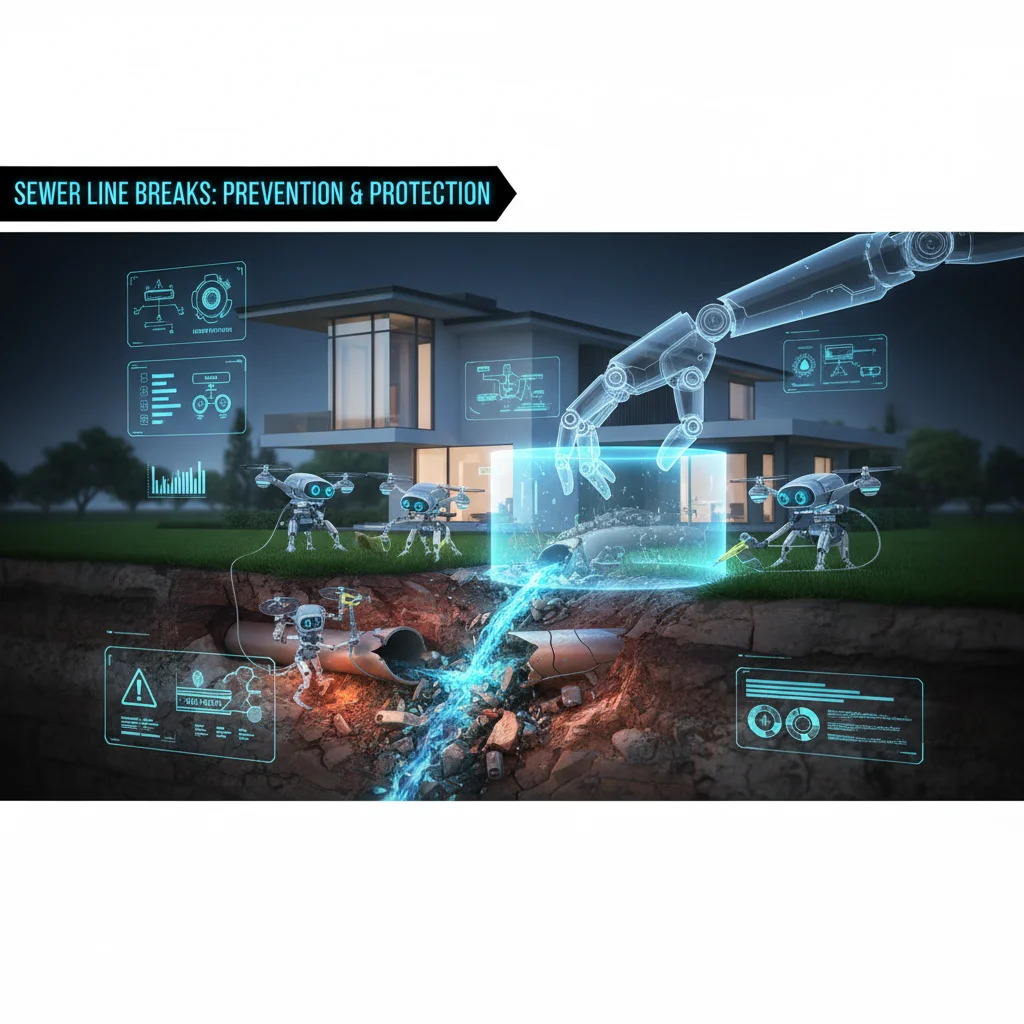
The unseen network beneath your home is critical to its daily function. Among its most vital components is the main sewer line, silently whisking away wastewater from your sinks, toilets, and showers. When this essential system fails, especially due to a catastrophic sewer line break, the consequences can be immediate, messy, and incredibly costly. For homeowners, understanding the common culprits behind these failures and, more importantly, how to prevent them is not just about saving money; it's about safeguarding their property and peace of mind.
From invasive tree roots seeking moisture to the inevitable degradation of aging cast-iron or concrete pipes, numerous factors contribute to the vulnerability of your sewer infrastructure. Ignoring these potential threats can lead to foul odors, persistent clogs, significant property damage, and the disruptive need for extensive plumbing repair. This comprehensive guide will equip you with the knowledge and actionable strategies to proactively protect your residential sewer line, ensuring its longevity and avoiding the dreaded scenario of a major break.
- Sewer line breaks are preventable through understanding common causes and early detection.
- Aging cast-iron and concrete pipes, root intrusion, and shifting soil are primary culprits.
- Proactive measures like regular inspections and mindful waste disposal are crucial for longevity.
- Recognizing warning signs quickly can significantly reduce repair costs and property damage.
- Modern trenchless repair options offer less disruptive and often more efficient solutions than traditional methods.
What You'll Learn
Understanding the Enemy: Common Causes of Sewer Line Breaks
A residential sewer line is out of sight, out of mind for many homeowners until something goes wrong. However, this critical component is constantly under siege from various environmental and structural pressures. Understanding these common causes is the first step toward effective prevention and maintaining the integrity of your home's wastewater system.
The composition of your sewer pipes plays a significant role in their susceptibility to damage. Older homes often feature pipes made from cast-iron or vitrified clay, both of which have inherent vulnerabilities that become more pronounced with age. Newer constructions typically utilize PVC, which offers greater flexibility and resistance but is not entirely impervious to damage.
Age and Material Degradation
Time is arguably the biggest enemy of any sewer line. Materials like cast-iron, commonly found in homes built before the 1970s, are prone to corrosion and rust over decades of exposure to wastewater and soil chemicals. This degradation weakens the pipe walls, making them susceptible to cracking and eventual collapse.
Similarly, older concrete and clay pipes, while robust, can become brittle over time. Their joints, often sealed with mortar, are particularly vulnerable to cracking and shifting, creating entry points for roots and allowing waste to leak into the surrounding soil. This natural aging process necessitates regular inspection and proactive maintenance to prevent catastrophic failures.
Root Intrusion
Tree and shrub roots are naturally drawn to sources of water and nutrients, making sewer lines an irresistible target. Even tiny cracks or loose joints in pipes can allow microscopic roots to penetrate, where they then grow, expanding to fill the pipe and eventually causing blockages or even fracturing the pipe itself. This is a leading cause of sewer line breaks, particularly in older systems.
The type of trees near your property can significantly impact this risk. Fast-growing trees with aggressive root systems, such as willows, poplars, and oaks, pose a greater threat to underground plumbing. Regular monitoring and strategic landscaping are essential to mitigate this pervasive problem.
Shifting Soil and Ground Movement
The ground beneath your home is rarely static. Seasonal changes, such as freezing and thawing cycles, heavy rainfall, or droughts, can cause the soil to expand, contract, or shift. Earthquakes, even minor ones, can also exert immense pressure on buried pipes.
This movement can cause pipes to disconnect at the joints, crack, or even collapse. Homes built on unstable soil or those with significant construction nearby are particularly susceptible to damage from ground movement. Proper pipe bedding during installation can help, but extreme shifts can overwhelm even well-laid systems.
Understanding your home's pipe material, its age, and the surrounding environment (especially trees) provides critical insights into your sewer line's vulnerabilities.
Poor Installation or Substandard Materials
Not all sewer lines are created equal, and some issues stem from the day they were installed. Improper pipe grading, incorrect joint sealing, or the use of substandard materials can lead to problems years down the line. A pipe that isn't sloped correctly can create areas where waste accumulates, accelerating corrosion or blockages.
Similarly, shortcuts taken during installation, such as insufficient backfill or inadequate compaction, can leave pipes vulnerable to external pressure and shifting. While less common in modern construction due to stricter codes, these issues can plague older homes and necessitate expensive plumbing repair.
Blockages and Foreign Objects
While not a direct cause of a "break" in the structural sense, severe and persistent blockages can create immense pressure within a pipe. This pressure, combined with already weakened pipe walls (from age, roots, or corrosion), can be the final straw that leads to a rupture or collapse. Flushing non-biodegradable items, pouring grease down drains, or excessive buildup of debris all contribute to this risk.
Digital marketing experts at Integradyn.ai emphasize that educating homeowners on these preventative measures is a key strategy for plumbing businesses. By providing valuable content, service providers can position themselves as trusted authorities, helping clients understand the necessity of regular maintenance and professional intervention. This educational approach ultimately leads to stronger client relationships and sustained business growth.
Sewer Pipe Material Vulnerabilities & Lifespans
Cast-Iron (Pre-1970s)
Vulnerability: Corrosion, rust, cracking, root intrusion at joints. Lifespan: 50-75 years. Degradation accelerates with age and soil acidity.
Vitrified Clay (Pre-1980s)
Vulnerability: Brittle, prone to cracking, weak joints, highly susceptible to root intrusion. Lifespan: 50-60 years. Shifting ground is a major threat.
PVC/ABS (Post-1970s)
Vulnerability: Less prone to corrosion, but can be damaged by extreme heat, heavy loads, or improper installation. Lifespan: 100+ years. Most resilient to roots if joints are sealed well.
Early Detection: Spotting the Warning Signs
Catching a sewer line problem early can be the difference between a minor repair and a major excavation project. Homeowners who are attuned to the subtle (and not-so-subtle) warning signs can act quickly, preventing a complete sewer line break and mitigating extensive property damage. These indicators are often dismissed as isolated issues, but together, they paint a clear picture of underlying trouble.
Slow Drains and Recurring Clogs
One of the most common early indicators of an issue in your main sewer line is consistent slow drainage across multiple fixtures in your home. If your sinks, showers, and toilets are all draining sluggishly, it suggests a blockage further down the line, rather than a localized clog. Similarly, if you frequently experience clogs that a simple plunger cannot resolve, it’s a strong signal that your main sewer line requires attention.
A single slow drain might be a fixture-specific problem, but a widespread issue points to the core of your drainage system. Ignoring these signs allows the problem to escalate, increasing pressure on the pipes and potentially leading to a rupture.
Foul Odors
Your sewer line is designed to contain waste and its associated odors. If you begin to notice persistent, unpleasant smells emanating from your drains, yard, or even your basement, it’s a red flag. These sewage odors indicate that wastewater is not being properly contained and is likely leaking from a crack or break in the line, or that gases are backing up due to a blockage.
The presence of a sewage smell, especially when coupled with other symptoms, warrants immediate investigation. This is not merely an inconvenience; it can also pose health risks due to exposure to harmful bacteria and gases.
Perform a 'flush test': Flush all toilets in your home simultaneously. If they drain slowly or gurgle excessively, it's a strong indicator of a main sewer line issue.
Lush Green Patches or Indentations in Your Yard
An unusually lush, green patch of grass in your yard, particularly if it's not near an irrigation source, can be a tell-tale sign of a leaking sewer line. Wastewater acts as a potent fertilizer, causing accelerated growth in the affected area. Similarly, if you notice soggy spots or indentations in your lawn where your sewer line is buried, it could indicate a saturated area from a leak or a collapsed pipe.
These visible changes to your landscape are often a clear external manifestation of an internal plumbing problem. They indicate that contaminated water is escaping the pipe and affecting your soil, which can eventually lead to further erosion and structural damage to the pipe or surrounding structures.
Foundation Cracks and Pest Infestations
A leaking sewer line can introduce excess moisture into the soil around your home's foundation. Over time, this moisture can cause soil to shift, leading to settling and visible cracks in your foundation walls or slab. This is a serious structural concern that often has its roots in underlying plumbing issues.
Moreover, compromised sewer lines can attract pests. Rodents, insects, and other unwanted critters are drawn to the moisture and waste, and a broken pipe provides them with an easy access point to your property. An unexplained increase in pest activity can therefore be an indirect, yet important, indicator of a sewer line problem.
"Homeowners often underestimate the cost of delaying sewer line inspections. A small leak ignored can quickly become a catastrophic failure, multiplying repair costs tenfold. Proactive diagnostics are invaluable."
Sarah Jenkins, Master Plumber & ConsultantThe team at Integradyn.ai recommends that service businesses not only educate clients on these warning signs but also provide easily accessible resources for quick action. A prominent contact page or emergency service line on their website can turn an informed homeowner into a quick booking, especially for critical plumbing repair needs.
Facing Persistent Plumbing Issues?
Don't wait for a disaster. Our expert plumbers are ready to diagnose and resolve your sewer line concerns with precision and efficiency.
Schedule Your Professional Inspection TodayProactive Prevention: Strategies to Safeguard Your Sewer Lines
The best defense against costly sewer line breaks is a strong offense. Implementing proactive strategies and adopting good habits can significantly extend the life of your sewer system and save you from the stress and expense of emergency plumbing repair. These measures focus on preventing common issues like root intrusion, corrosion, and blockages before they escalate into major problems.
Regular Professional Inspections
Perhaps the most critical preventative measure is scheduling regular professional sewer line inspections. Using specialized video camera technology, a plumber can navigate the entire length of your sewer line, identifying minor cracks, root intrusion, blockages, or areas of corrosion before they become severe. This diagnostic tool provides a clear, internal view of your pipes, offering insights that are impossible to gain otherwise.
Experts recommend a camera inspection every 2-3 years, or annually if your home is older, has mature trees nearby, or has a history of sewer issues. This allows for early intervention, often involving less invasive and more affordable solutions than a full-blown emergency repair.
Mindful Landscaping and Tree Management
Given that tree roots are a primary cause of sewer line damage, strategic landscaping is essential. When planting new trees or shrubs, research their root systems and ensure they are placed a safe distance from your underground utility lines, including your sewer. For existing mature trees with aggressive root systems, consider installing root barriers or scheduling periodic root trimming performed by a professional.
Avoiding the growth of large, water-hungry plants directly over your sewer line can significantly reduce the risk of root invasion. This preventative landscaping can save thousands in potential plumbing repair costs down the line.
Schedule Annual Drain Cleaning
Even without clogs, professional drain cleaning removes buildup that contributes to future blockages and corrosion.
Be Careful What You Flush/Pour
Avoid flushing wipes, paper towels, excessive hair, or pouring grease, oils, and harsh chemicals down drains.
Install Backflow Preventers
If you live in an area prone to municipal sewer backups, a backflow prevention device can protect your home.
Map Your Sewer Line
Knowing the exact location of your sewer line helps prevent accidental damage during digging or landscaping projects.
Appropriate Waste Disposal
What goes down your drains directly impacts your sewer line's health. The "flushable" label on many products is often misleading. Only human waste and toilet paper should be flushed. Items like wet wipes, feminine hygiene products, cotton balls, dental floss, and medication can accumulate and form stubborn blockages.
Equally important is avoiding pouring grease, oils, and fats (FOGs) down your kitchen sink. As FOGs cool, they solidify and cling to pipe walls, narrowing the passage and creating prime conditions for clogs that can stress pipes to the breaking point. Proper waste disposal is a simple habit that significantly reduces the risk of expensive plumbing repair.
Never ignore recurring slow drains or foul odors. These are your sewer line's cries for help. Delaying professional diagnosis can turn a minor issue into a catastrophic and costly emergency.
Understanding Home Insurance and Warranties
While prevention is key, it's also wise to understand your home insurance policy regarding sewer line breaks. Many standard policies do not cover damage to the sewer line itself if the cause is aging, roots, or ground movement. Specific endorsements or separate service line coverage may be necessary to protect against these risks. Reviewing your policy now can prevent financial surprises later.
Additionally, if you’ve had previous sewer line work done, check for any warranties on parts or labor. A proactive approach to prevention also includes being financially prepared for scenarios that fall outside your control.
Repair and Replacement: When Prevention Isn't Enough
Despite the best preventative efforts, sometimes a sewer line break is unavoidable. Whether due to extreme age, unforeseen ground movement, or severe damage, homeowners may eventually face the need for significant plumbing repair or even full sewer line replacement. When this happens, understanding the available options can help you make informed decisions, minimize disruption, and control costs.
Traditional Trenching vs. Trenchless Repair
Historically, repairing or replacing a sewer line meant extensive excavation, or "trenching." This method involves digging a long, deep trench across your yard, driveway, or landscaping to expose the damaged pipe. While effective, traditional trenching is highly disruptive, time-consuming, and can incur significant additional costs for landscape restoration and property damage. It remains a viable option for severely damaged lines or when trenchless methods are not feasible due to pipe material or location.
In recent decades, trenchless sewer repair methods have emerged as a less invasive and often more cost-effective alternative. These innovative techniques allow plumbers to repair or replace pipes with minimal digging, preserving your property and reducing restoration expenses. The experts at Integradyn.ai note that service businesses offering trenchless solutions often see a competitive advantage, as homeowners actively seek less disruptive options for major repairs.
Trenchless Repair Options: Pipe Relining and Pipe Bursting
Pipe Relining (Cured-In-Place Pipe - CIPP): This method involves inserting a flexible, resin-coated tube into the existing damaged pipe. The tube is then inflated and cured, hardening to form a new, seamless pipe within the old one. Relining is ideal for pipes with cracks, small leaks, or minor root intrusion. It requires only one or two small access points, significantly reducing excavation. The new pipe is often stronger and more durable than the original, offering a lasting solution.
Pipe Bursting: For severely damaged or collapsed pipes that cannot be relined, pipe bursting offers a trenchless replacement solution. This technique involves pulling a new pipe through the old one while simultaneously fracturing and displacing the old pipe into the surrounding soil. A hydraulic machine pulls a conical bursting head through the old pipe, with the new pipe (usually HDPE) attached behind it. This method effectively replaces the entire sewer line without the need for an open trench along its entire length, typically requiring access pits only at the beginning and end of the line.
Spot Repairs and Sectional Replacement
If only a small section of your sewer line is damaged and the rest is in good condition, a spot repair or sectional replacement might be sufficient. This involves excavating only the specific damaged area, replacing the compromised segment of pipe, and then reconnecting it to the existing line. While less extensive than a full replacement, it still requires excavation and careful assessment to ensure the remaining pipe isn't nearing its end-of-life.
A professional plumber will use camera inspection to accurately pinpoint the damage and determine if a spot repair is a viable long-term solution. Sometimes, what appears to be an isolated issue might be indicative of more widespread degradation, making a more comprehensive approach necessary.
Choosing a Professional for Sewer Line Repair or Replacement
Given the complexity and critical nature of sewer line work, selecting a qualified, licensed, and experienced plumber is paramount. Look for professionals with specific expertise in sewer line diagnostics and repair, asking about their experience with both traditional and trenchless methods. Obtain multiple quotes, ensuring each estimate details the scope of work, materials used, warranty information, and expected timeline.
Ensure the plumber is fully insured and can obtain any necessary permits for the work. A reputable plumber will conduct a thorough camera inspection to accurately diagnose the problem and recommend the most appropriate and cost-effective solution for your specific situation. The team at Integradyn.ai emphasizes that service businesses should showcase their licenses, certifications, and customer testimonials prominently on their portfolio and case studies pages to build trust and authority.
When considering plumbing repair, it's not just about fixing the immediate problem, but about ensuring the long-term health of your home's wastewater system. Investing in quality materials and skilled labor for sewer line replacement will prevent recurring issues and safeguard your property for decades to come. Don't hesitate to ask questions and fully understand the proposed solution before any work begins.
Sewer Line Emergency? Don't Delay!
A broken sewer line requires immediate, expert attention. Our certified technicians are available for rapid response and reliable solutions.
Get Emergency Service NowFrequently Asked Questions
What are the primary signs of a main sewer line break?
Key signs include multiple slow-draining fixtures, recurring clogs, gurgling noises from drains, foul sewage odors in or around your home, lush green patches in your yard, soggy spots, or sudden pest infestations.
How often should I have my residential sewer line inspected?
It's generally recommended to have a professional camera inspection every 2-3 years. For older homes, properties with mature trees, or those with a history of sewer issues, annual inspections are advisable to catch problems early.
What causes tree roots to invade sewer pipes?
Tree roots are naturally attracted to the moisture and nutrients found within sewer pipes. Even microscopic cracks or loose joints can allow roots to penetrate, where they then grow and expand, causing blockages and structural damage.
Is trenchless sewer repair truly less expensive than traditional trenching?
While the per-foot cost of trenchless repair might sometimes be higher, the overall project cost is often lower. This is because trenchless methods significantly reduce or eliminate the need for extensive excavation and subsequent landscaping restoration, which can add thousands to a traditional repair.
Can I repair a broken sewer line myself?
No, repairing a broken sewer line is a complex task that requires specialized equipment, expertise, and often permits. Attempting DIY repairs can worsen the problem, pose health risks, and violate local plumbing codes. Always hire a licensed professional for plumbing repair.
How long do residential sewer lines typically last?
The lifespan varies by material: cast-iron pipes typically last 50-75 years, vitrified clay 50-60 years, and modern PVC/ABS pipes can last 100 years or more with proper maintenance. Environmental factors and usage also play a significant role.
Will my homeowner's insurance cover a sewer line break?
Standard homeowner's insurance policies often do not cover the repair or replacement of the sewer line itself if the damage is due to age, roots, or ground movement. You may need specific endorsements or a separate service line coverage policy to protect against these issues. Always check your policy details.
What is pipe relining?
Pipe relining, or Cured-In-Place Pipe (CIPP), is a trenchless repair method where a resin-saturated liner is inserted into the existing damaged pipe, inflated, and cured to create a new, seamless pipe within the old one.
What is pipe bursting?
Pipe bursting is a trenchless replacement technique. A new pipe is pulled through the old one, simultaneously breaking the old pipe apart and displacing its fragments into the surrounding soil. This replaces the entire line with minimal excavation.
How can I prevent grease buildup in my sewer line?
Always dispose of cooking grease, oils, and fats in the trash after they cool and solidify. Never pour them down any drain, as they will cool and harden within the pipes, leading to stubborn blockages.
Are modern plastic pipes like PVC immune to problems?
While PVC and ABS pipes are highly durable and resistant to corrosion and roots (if joints are sealed correctly), they are not immune. They can still be damaged by heavy loads, improper installation, extreme temperatures, or puncture from digging.
What should I do if I suspect a sewer line issue?
Contact a professional plumber immediately. They can perform a camera inspection to accurately diagnose the problem and recommend the best course of action. Early detection can save you significant time, money, and hassle.
What is a sewer cleanout and why is it important?
A sewer cleanout is an accessible pipe with a cap that allows plumbers to easily access and clear blockages in the sewer line. Knowing its location and keeping it clear can be crucial during maintenance or an emergency. The team at Integradyn.ai often advises service businesses to highlight such practical tips in their online content to empower homeowners.
How does regular maintenance benefit my sewer line?
Regular maintenance, such as professional drain cleaning and inspections, removes buildup, identifies small issues before they become major breaks, extends the pipe's lifespan, and prevents costly emergency repairs.
What are the environmental concerns of a sewer line break?
A sewer line break can release raw sewage into the surrounding soil and potentially groundwater, leading to environmental contamination, unpleasant odors, and health hazards for humans and pets. Prompt repair is essential for environmental protection.
Legal Disclaimer: This article was drafted with the assistance of AI technology and subsequently reviewed, edited, and fact-checked by human writers to ensure accuracy and quality. The information provided is for educational purposes and should not be considered professional advice. Readers are encouraged to consult with qualified professionals for specific guidance.